
Duyuru

Collapse
No announcement yet.

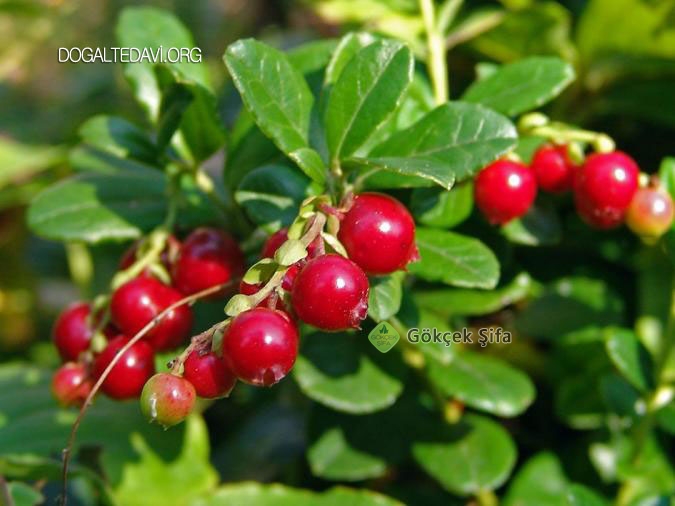
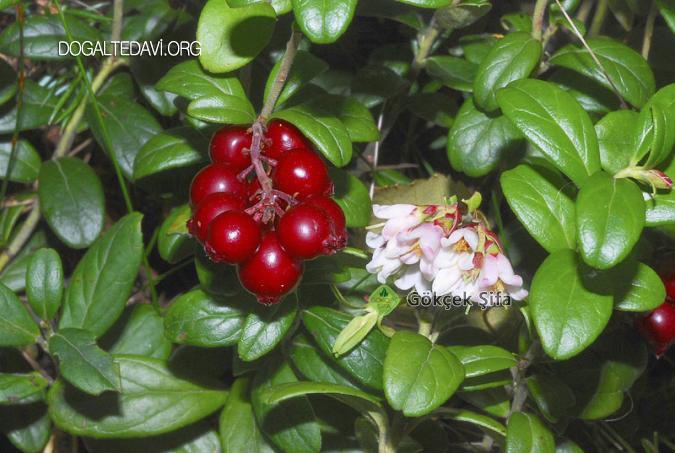
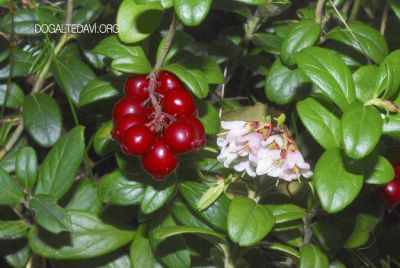
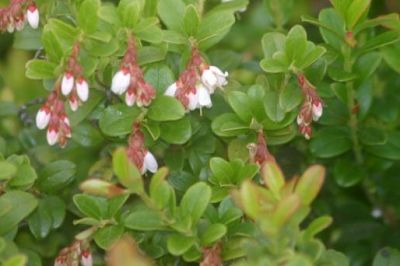
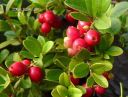
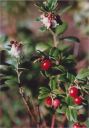
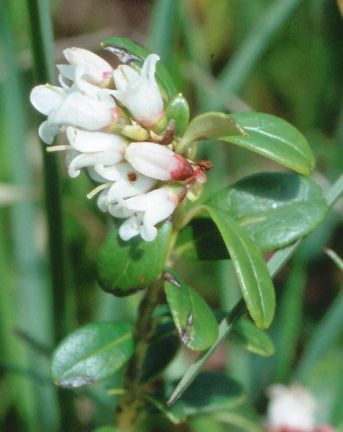
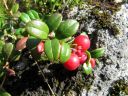
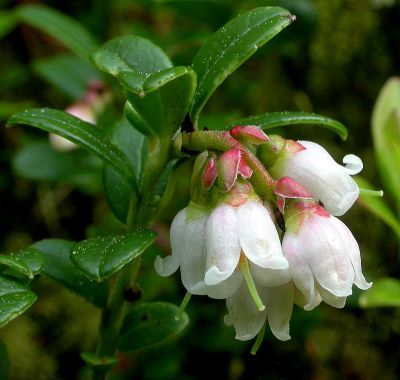
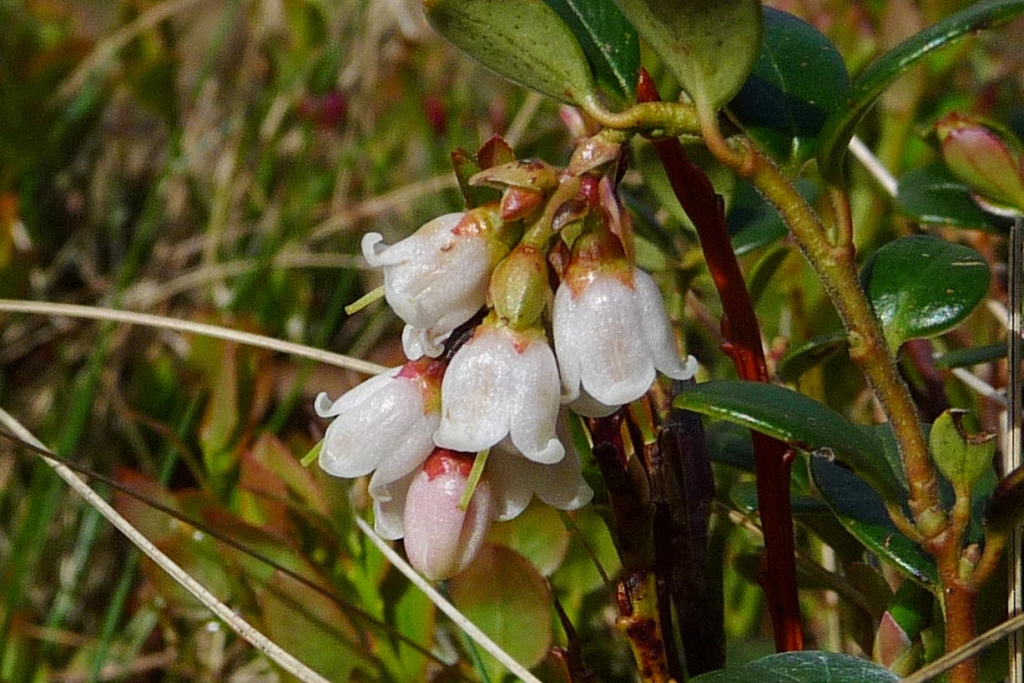
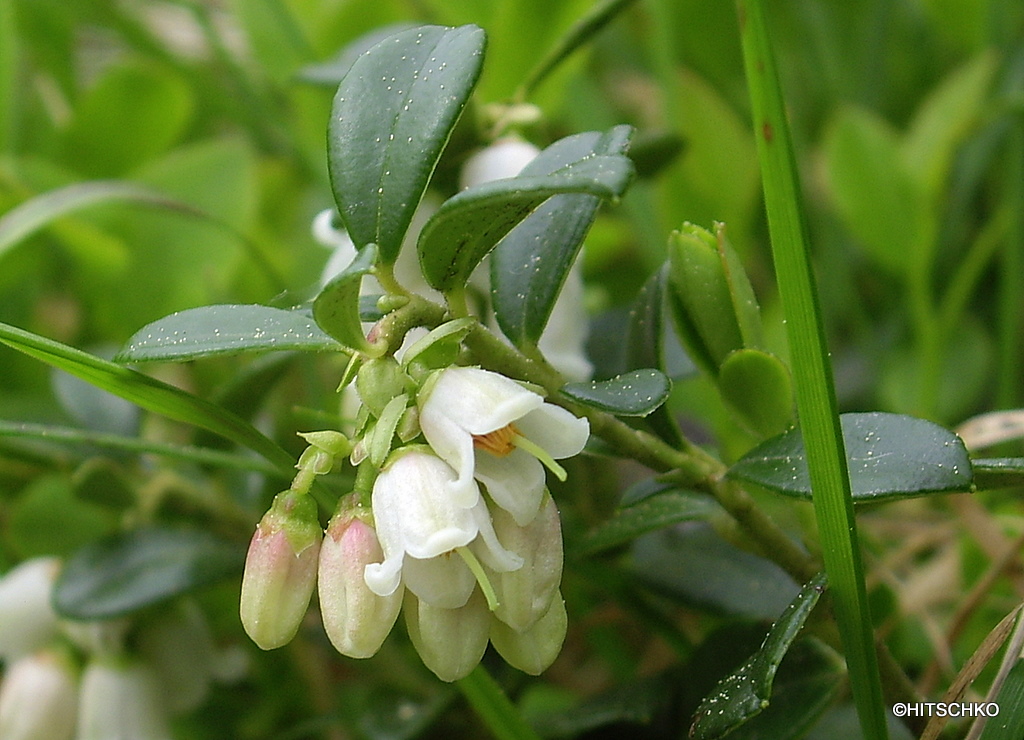
Cran Berry, Cranberry, Vaccinium vitis-idaea

Collapse
X
  • Filtrele
  • Zaman
  • Göster
Hepsini Sil
new posts

  • Cran Berry, Cranberry, Vaccinium vitis-idaea


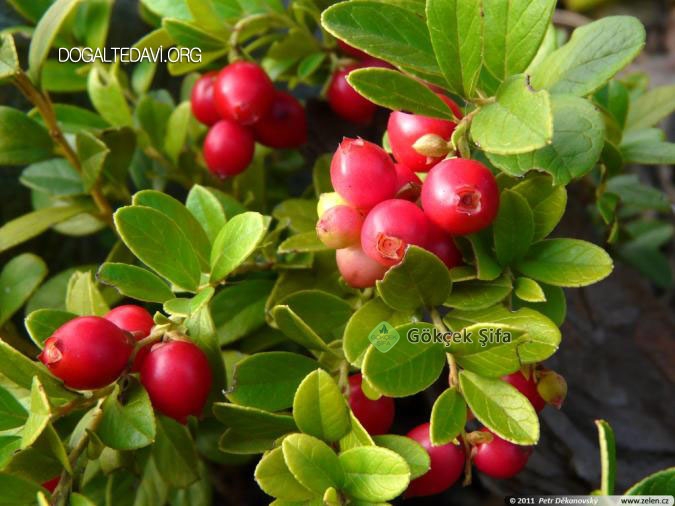
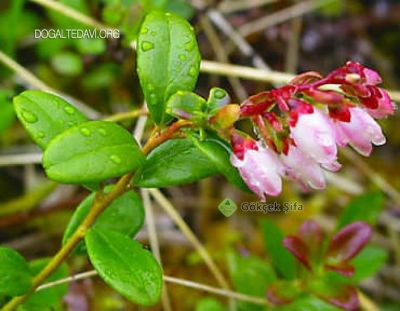
    Cranberry, Vaccinium vitis-idaea
    Türkiyede yetişmiyor, tanınmıyor. Sağlıkla ilgili okuduğum bir makalede Cranberry’nin türkçesi Yaban mersini yada Kızılcık diye yazılmıştı. Hiç alakaları yok, çünkü Türkiyede bu bitkinin ismi yok! Meyveleri biraz benziyor o kadar!…

    Cranberry isminde bilinen bitkinin doğada yetişen üç tipi var. Amerikan türleri - Vaccinium macrocarpon, meyvesi daha küçük Avrupa türleri - V.oxycoccux, üçüncü tür olarakta Amerikada Cowberry diye bilinen
    V. vitis-idaea (tadı çok acı, çiğ yenmesi imkansız gibi sadece pişirilip tüketilmekte).
    Bitki likapa gibi yaprağını sonbaharda dökmüyor, daimi yeşil bir çalı halinde gelişir. Toprakta 4.5 pH oranına bayılıyor. Doğada bir zaman bataklık gibi su basmış alanlarda kalmaktan hoşlanıyor. Kışın – 45°C soğuğa kadar dayanıklı. Gelişme zamanı tam güneşten biraz gölgeli alanlar istiyor. Genelde budanmıyor. Likapada söz ettiğim kuş saldırısı bu bitki içinde geçerli, ağ ile kurtulabilirsiniz.
    Eminim Karadeniz bölgesinde uygun yerler bulunsa Cranberry’de yetişir. (İsmi ne olacak peki?) Amerika kıtasında çok önceleri Kızılderililer bu bitkiye tıbbi etkilerinden dolayı çok önem verip yetiştirmişler. Meyvenin kırmızı suyundan kumaşlarını bile boyamışlardır.
    Cranberry’nin suyu çok kıymetli. C, D vitaminleri,potasyum ve demir ihtiva ediyor. Likapa gibi tatlı olmadığı için şekerle karıştırılarak tüketilebiliyor. Kanserede iyi geldiği söyleniyor. Böbrek hastalıklarına, mesane iltahaplanmalarına, taş düşürmeye, boğazda habisleşmiş iltahaplanmalara iyi geliyor. (Ben Boğazımdakilerden bu sularla kurtuldum, Doktorum hala bana inanmıyor.)
    Belki duymuşunuzdur yada tatmışınızdır, yılbaşında ve Amerikalıların Şükran gününde pişen hindiye Cranberry sosu dökülür (1620 senesinden beri bu geleneksürmekte).
    Sadece Malatya pazarı Cranberry’nin kurutulmuşunu Amerikan üzümü diye satıyor. Biraz şekerli, ama doğal (zaten şekerlendirilmeden yemeniz zor, taze tadı çok ekşi). Meyve sularından çeşitler çoğaldı.
    Bitkisel Tedavi - İbrahim Gökçek Ürünleri Resmi Satış Sitesidir.

  • #2

    Cranberries!
    Native Fruit’s Interesting Natural Compounds Investigated


    Garnishing chicken with cranberry chutney adds flavor and nutrients. Cranberries are rich in fiber and provide vitamin C and potassium.
    (D2578-1)
    Maybe you remember when cranberries mostly showed up at year-end holidays as the perfect relish for your roast turkey.
    In the 1960s, however, the introduction of flavorful cranberry juice beverages helped build a new, year-round use for the berry. These pleasant blends balanced the cranberry’s naturally tart flavor with the sweetness of other favorite fruits such as apples and pears.
    In the 1990s, the launch of dried, sweetened cranberries, which look somewhat like little red raisins, brought new attention to the colorful fruit.
    Cranberries are rich in fiber, low in sodium, and provide vitamin C and potassium. They also contain intriguing natural compounds referred to as flavonoids, polyphenols, or, more generally, phytochemicals.
    Phytochemicals are of ongoing interest to nutrition and medical researchers worldwide. For instance, cranberry phytochemicals have been the focus of a series of studies by chemist Ronald L. Prior and colleagues. Formerly with the Agricultural Research Service at the Arkansas Children’s Nutrition Center in Little Rock, Prior is now an adjunct professor of food science at the University of Arkansas in Fayetteville.


    ARS scientists closely examined the types and amounts of interesting compounds in cranberry pomace (center), which is the stems, skin, and pulp left over after the berries are pressed to make juice or canned products.
    (D2569-1)
    Cranberry Juice-Processing Leftovers: A Treasure Trove of Phytochemicals?
    In one investigation, Prior collaborated with Brittany L. White, formerly at the university and now a food technologist with ARS at Raleigh, North Carolina, and with Luke R. Howard, a professor in the university’s food science department, to closely examine the kinds and amounts of phytochemicals in cranberry pomace—the stems, skin, and pulp that are left when the plump berries are pressed to make juice or canned products.
    “Cranberry processors are looking for new, value-added uses of these byproducts,” says Prior. Knowing more about the polyphenols in pomace might lead to new ways to build new markets for it.
    Much is already known about the major polyphenols in fresh cranberries. But the Arkansas study is apparently one of the first to extensively investigate and document the kinds and amounts of major cranberry-pomace polyphenols.
    The researchers used several sophisticated analytical procedures, including high-performance liquid chromatography-electrospray ionization-mass spectrometry and matrix-assisted laser desorption time-of-flight mass spectrometry. These procedures can measure the molecular weight of pomace constituents and, from that, determine their identity. If appropriate reference standards are available, the quantity of each constituent can be determined.
    Among other findings, the scientists determined that the pomace contained “appreciable levels” of flavonols, a class of polyphenols that includes, for example, quercetin and myricetin.
    Fresh whole cranberries are already known to contain high levels of flavonols—more than most other berries and, in fact, more than most fruits or vegetables. But the research was the first to show that nearly half of the total flavonol content of whole berries was left behind in the pomace instead of making its way into juice.
    Published in the peer-reviewed Journal of Agricultural and Food Chemistry, the study is the most up-to-date analysis of its kind for cranberry pomace.
    The findings are a useful, readily accessible reference for medical and nutrition researchers, food processors, and others.

    Tactic Targets “Unextractable” Pomace Components
    A related investigation showed that the conventional procedure for gleaning polyphenols from pomace doesn’t fully extract proanthocyanidins, or PACs, an important class of polyphenols.
    The normal extraction process relies on a solution of acetone, acetic acid, and water. The team of White, Howard, and Prior examined an alternative approach—one that requires exposing pomace to various concentrations of sodium hydroxide at 140°F for 15 minutes. This method released 3 to 15 times more PACs than the traditional extraction method, according to the scientists.
    The team recommends using the traditional method first—to extract the more readily accessible polyphenols—then following that with the sodium hydroxide-based procedure to tackle the recalcitrant PACs.
    The sodium hydroxide method is not new. It is already used to recover polyphenols from rice, wheat, and corn, for instance. But the team is likely the first to show that the process works well for extracting cranberry PACs, too. More research is needed to determine what amounts of PACs are lost as a result of the sodium hydroxide treatment. In the meantime, researchers studying PACs in other plants might want to give the procedure a try. Cranberry PACs are of special interest because some research suggests that they may help counteract urinary tract infections. This role remains controversial, however.
    The scientists documented their research in the Journal of Agricultural and Food Chemistry and have applied for a patent for the sodium hydroxide-based process.

    A Better Way To Measure PACs in Cranberry Products
    Prior’s investigations of cranberry PACs has also included pinpointing what is perhaps the best available method for commercial labs around the globe to use to reliably determine the PAC content of cranberry products.
    Some currently available methods for measuring cranberry PACs either under- or overestimate the levels or pose other problems. Prior and colleagues at five different analytical labs on three continents determined that a quick, inexpensive test, the BL-DMAC (Brunswick Laboratories 4-dimethylaminocinnamaldehyde) assay, provided similar PAC results from one lab to the next. For this research, all of the participating labs were provided with the same set of 11 samples and a known standard as a reference.
    “No single test for quantifying cranberry PACs—including this one—is perfect,” says Prior. “But we recommend this one as the industry standard for cranberry product PAC analysis worldwide for several reasons. It is fast and inexpensive; provides results that are accurate, reliable, and reproducible; doesn’t require expensive equipment or extensive training; and is fairly easy to use.”
    A peer-reviewed article in the Journal of the Science of Food and Agriculture tells more about the research.—By Marcia Wood, Agricultural Research Service Information Staff.
    This research is part of Human Nutrition, an ARS national program (#107) described at www.nps.ars.usda.gov.
    Bitkisel Tedavi - İbrahim Gökçek Ürünleri Resmi Satış Sitesidir.

    Yorum yap


    • #3


      Amy B. Howell, M.S.,
      Ph.D.
      History of Use
      Cranberries have demonstrated a broad array of health benefits in a number of research studies. They are native to North America and have a long history of use over hundreds of years for their many health benefits. The fruits were widely used by Native Americans and Colonial settlers as food, medicine, and for trading. They were used for their antibacterial properties, treating blood poisoning, in poultices for wounds, diarrhea, and urinary disorders. Since citrus fruits were not grown
      in New England, American sailors used cranberries to prevent scurvy on the long ocean voyages to Europe. The current research on cranberries confirms the validity of many of these early uses of the fruits to promote health. Research reveals that cranberries appear to have multiple health benefits effective against an array of afflictions and diseases as reviewed in this article. Bacterial AdhesionCranberries are rich in a number of
      phytochemicals, including anthocyanin
      pigments (give cranberries their red color
      and protect the fruit from ultraviolet light),
      flavonols (serve as insect attractants),
      and an abundant supply of polyphenolic
      proanthocyanidins (PACs), or condensed
      tannins.
      1
      PACs are produced by the plant in
      times of stress and they have an astringent
      quality that deters predator feeding on the
      young fruit. The PACs found in cranberry are
      different from those found in other PAC-rich
      foods, like chocolate and grape that contain
      single B-type linkages between flavan-3-ol
      units.
      2
      Cranberry PACs have unusual double
      A-type linkages
      3
      that are associated with
      preventing bacterial adhesion in several
      sites in the body, including the urinary
      tract, stomach and oral cavity. Bacterial
      adhesion is the initial step in the infection
      process and is required to initiate bacterial
      growth.
      4
      Thus, inhibiting this adhesion
      step prevents subsequent colonization
      and infection. Since cranberry does not kill
      bacteria as an antibiotic would, there is no
      pressure for selection of antibiotic resistant
      strains of bacteria. Therefore, cranberry will
      not lose its effectiveness over time. It is the
      powerful bacterial anti-adhesion properties
      of cranberry PACs that are associated with
      maintenance of urinary tract health and
      show promise for prevention of oral biofilms
      and ulcers. This mechanism of action is very
      unusual, making cranberry stand out as a
      unique functional food.
      Urinary Tract
      Much of the research in the past century
      has focused on the role of cranberry in the
      maintenance of urinary tract health.
      5
      There is
      mounting scientific evidence to suggest that
      cranberries help prevent UTIs, however there
      is no evidence that they can treat UTI once
      an infection is present. A 1994 clinical study
      at Harvard University found that drinking
      300 mL of a commercially available cran commercially available cran--
      berry beverage containing 27% cranberry
      juice on a daily basis reduced urinary tract
      bacteria in elderly women by nearly 50%.
      6
      The Cochrane Database Systematic Review
      publishes frequent updates on the growing
      number of clinical studies on cranberry and
      UTI prevention and has identified four goodHealth Benefits of CranberriesIt’s not just about UTIs anymore!
      continued on page 50

      Yorum yap


      • #4
        Bitkisel Tedavi - İbrahim Gökçek Ürünleri Resmi Satış Sitesidir.

        Yorum yap


        • #5
          Bitkisel Tedavi - İbrahim Gökçek Ürünleri Resmi Satış Sitesidir.

          Yorum yap


          • #6
            Bitkisel Tedavi - İbrahim Gökçek Ürünleri Resmi Satış Sitesidir.

            Yorum yap

            Hazırlanıyor...
            X