
Duyuru

Collapse
No announcement yet.

Gurmar Nedir? Gymnema Sylvestre Bitkisi Nedir?

Collapse
X
  • Filtrele
  • Zaman
  • Göster
Hepsini Sil
new posts

  • Gurmar Nedir? Gymnema Sylvestre Bitkisi Nedir?


    Gymnema Sylvestre Bitkisi Nedir?
    Gurmar Nedir? GymnemaSylvestre bitkisi ya da bir diğer bilinen adıyla Gurmar ve Meshashringi,(hintçede anlamı şeker yokeden’dir) yüzyıllardır Ayurveda tıbbında şekermetabolizmasını düzenlemek için kullanılır. Gymnema, glukozu azaltmaözelliklerine sahip, gymnemic asit, quercitol, lupeol, ß-amyrin ve stigmasteroliçerir. Bu asitler, doğada anti-diyabetik ve anti-enflamatuar olarakbilinirler. Yapılan çalışmalar, Gymnema’nın tip 1 diyabet için etkili birtedavi olduğunu göstermiştir.
    Gymnema yapraklarının pankreas üzerindeki etkisi ilkkez 1920’lerin sonunda belgelenmiştir. 2004 yılında yayınlanmış, GeorgetownUniversity Medical Center, Washington DC’deki bilimadamlarının yaptığı birçalışma, Gymnema’nın, normal vücut ağırlığı ve normal kan lipit seviyeleri içinbir destek olduğunu göstermiştir.
    İki gruba ayrılan insan gönüllüleri kapsayan önçalışmada, Gymnema sylvestre’nin sağlıklı pankreatik hücre fonksiyonunugeliştirdiği tespit edilmiştir. Çalışmalar aynı zamanda, Gymnema sylvestre’ninglukoz kullanımı için enzim aktivitesini desteklediğini ve glukozunbağırsaklara alımını azaltığını da ortaya koymuştur.
    Harvard Medical School’da, diyabetli ya dabozuk glukoz toleransı olan 4.565 hastanın katıldığı, Gymnema sylvestre’nin ve,9 vitamin/mineral takviyesinin de dahil olduğu 36 bitkinin incelendiği 108klinik deneydeki bulgular analiz edilmiş ve araştırmacılar, GymnemaSylvestre’nin çok az bir yan etki ile, geliştirilmiş glukoz kontrolüsağladığını tespit etmişlerdir.
    Gymnema Sylvestre ekstresi (günlük 400 mg) kullanılanbir başka çalışmada, 18-20 ay boyunca kan şekerini, glikozile hemoglobin veglikozile plazma proteinini düşürmüş, ve tip 2 diyabet hastalarının klasik ilaçdozajlarının azalmasına neden olmuştur.
    Kasım 2010 tarihinde “Phytomedicine” dergisinde yer alan bir çalışma, Gymnema Sylvestre’nin diyabetli laboratuarhayvanlarında beta hücrelerini, Gymnema Sylvestre almayan kontrol grubaoranla yenilediğini ortaya koymuştur.
    Son verilen raporlara göre, gimnemik asit formülasyonlarıaynı zamanda obeziteye karşı da yararlı olabilir. Bunu sebebi, gimnemik asitinkandaki glukoz emilimini geciktirme becerisidir. Gimnemik asit moleküllerininatomik düzenlemesi, glukoz molekülleri ile benzerlik gösterir. Bu moleküller,tat alma tomurcukları üzerindeki reseptör bölgelerini doldurarak besindebulunan şeker molekülleri aktivasyonu önler, böylece şeker özlemini engeller.Gymnema yaprak ekstresi; özellikle ‘Gurmarin’ peptiti, dildeki tat almaorganlarının tatlı ve acıyı tatmaları yeteneği ile ilişkilidir. Gimnemik asit,karbonhidratların bağırsaktaki reseptörlere bağlanmasını engeller ve böylece“boş kaloriler” dikkate alınarak, vücudun obezite durumuna geçmesi engellenir.“Diabetes, Obesity and Metabolism” dergisinde yayınlanan bir çalışma, Gymnemasylvestre ekstresinin hidroksisitrik asit ve niasine bağlı kromkombinasyonunun, obez deneklerde kilo kaybına neden olduğunu göstermiştir.
    NasılKullanılır?
    Çalışmalarda kan şekerini düşürmek amacıyla kullanılangymnema sylvestre dozu, günde 2 kez standartize %25 gimnemik asit taşıyan200-400 mg’dır.

    Gurmar
    Gymnema sylvestre
    Gurmar(Gymnema sylvestre) ayurvediktıpta şeker hastalığının tedavisinde kullanılır.Kan şekeri düzeyini kontroletmenin doğal yollarından biridir.
    Çay ve kapsül formundakullanılabilir.Her iki yöntem de etkilidir.
    Klinik araştırmalarda gurmarın kanşekeri düzeyini normal seviyelere çektiği görülmüştür.Gurmarın bu etkisiinsülin veya oral yolla hipoglisemik ilaçlar alındığında ortaya çıkan etkiyleaynıdır.
    Gurmar bitkisi şeker tadınınalınmsını engeller.Bu yüzden adı hintçe de şeker yok edici anlamına gelen gurmardır.
    Obezite,hiperglisemi,anemi,kemikerimesi gibi aşırı şeker tüketiminin neden olduğu rahatsızlıklarda buözelliğiyle yardımcı olur.
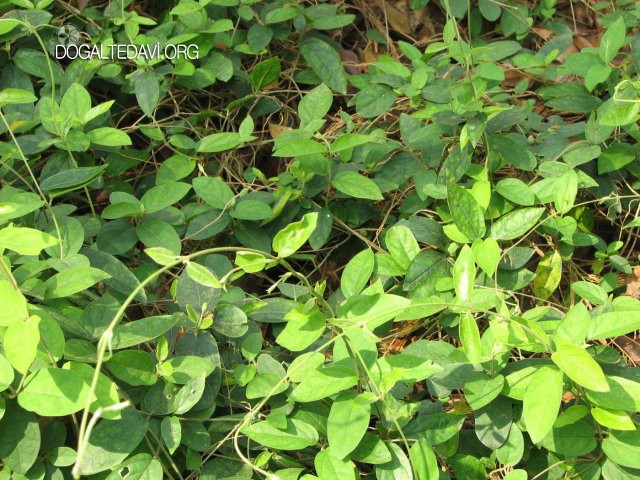
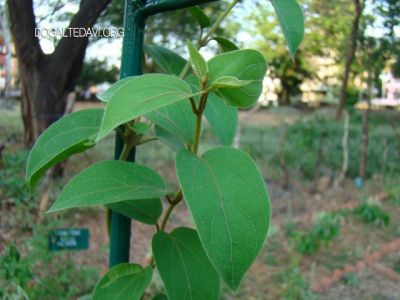
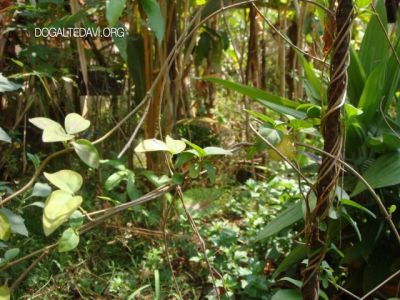
    Gurmar Hindistanda yetişen birsarmaşık türüdür.Antik çağlarda ayurvedik tedavi uygulayıcıları yapraklarınınçiğnenmesi neticesinde şeker tadının alınmasını engellediğini keşfettiler.
    Hindistan'da yapılan bir çalışmagurmarın hem insülin bağımlı hem de insülinden bağımsız diyabet türlerindefaydalı olduğunu gösteriyor.
    Klinik deneylerde alınan başarılısonuçlar ve yıllardır elde edilen tedavi başarıları neticesinde gurmarHindistan'da her iki tip şeker hastalığının tedavisinde yaygın olarakkullanılıyor.
    Gurmar karbonhidrat metabolizmasınamüdahele ederek değil,dolaylı yoldan insülin salgılanmasını uyararak kanşekerinin düşmesini sağlar.
    Gymnemik asit:
    Yapılan farmokolojik araştırmalargurmarın vücutta iki yerde etkili olduğunu göstermiştir.Ağız boşluğunda ve incebağırsak yüzeyinde.Gurmarda gymnemik asit adı verilen organik bir kimyasalbulunur.Bu molekül seker moleküllerinin lezzet algaçlarıyla etkileşiminiengeller.
    Gurmarın kullanıldığı durumlar:
    * Şeker hastalığının tedavisinde.
    * Şeker tadının alınmasını engellediğinden,aşırı şeker tüketiminden kaynaklananhastalıklar.
    * İnce bağırsakta şeker moleküllerinin emilimini önlediğinden şekerin metaboliketkisini azaltmada
    * Yılan sokmalarında gurmar bitkisinin kökünün tozu ısırılan bölgeye uygulanır.
    * Ateş düşürmede
    * Bez şişlerinde hint yağı ile birlikte haricen uygulanır.
    * Kan şekerinin düşürülmesinde
    * Kilo kontrolünde

    Dikkat insülin veya şeker düşürücübir ialç kullanıyorsanız,etkilerini artırabilir.Hekime danışmadan kullanmayın.

    Gurmar(Gymnema sylvestre); orta ve güney Hindistan'ın tropikormanlarında yetişen bir orman sarmaşığıdır. Yaprakları çiğnendiğinde, ağızdabelirli bir süre için şeker tadının alınmasını engeller. Zaten bu yüzden;bitkinin Hintçe ismi olan Gurmar'ın ''0 Şeker, Yok Edici'' anlamına gelmesirastlantı değildir. Geleneksel olarak yaklaşık 2000 yıldır Hindistan ve güneyAsya'da Tip1 ve Tip2 diyabet (şeker hastalığı) için doğal bir terapi olarakkullanılan bir bitkidir. Yaprakları yine aynı ülkede bazı mide rahatsızlıkları,kabızlık, ödem ve karaciğer rahatsızlıkları için de kullanılmaktadır. Gurmar,insülin salgısını artırıcı, şeker emilimini ve şekerin yağa dönüşüm sürecini deyavaşlatıcı özellikte bir bitkidir. Günlük beslenmemizde şekerden tamamenkaçınmak hemen hemen imkansızdır. Şeker (glükoz), yediğimiz veya içtiğimizgıdalarda ister açıkça isterse gizli olsun, vücudumuzun ihtiyacından fazlası,karaciğer ve kaslarda direkt olarak, yağ dokusunda ise yağa dönüşerekdepolanacaktır. İşte Gurmar size bu noktada dengeleyici bir yardımdabulunabilir.
    Gurmar yaprakları; klorofil, resin, tartarik asit,formik asit, butirik asit, müsilaj, inositol, gimnemik asit (gymnemic acid),alkaloidler, betain ve kolin içerirler. Bitki yapraklarının hipoglisemik (kanşekerini düşürücü) ve kan şekerini dengeleyici etkisi ilk olarak 1920'lerinsonuna doğru yayınlanmıştır. Ancak bu etki çoğu hipoglisemik ilacın aksine, anideğil doğal olarak aşamalı bir etkidir. Bitkiye hipoglisemik etkiyi veren etkenmadde gimnemik asit olup, bitkinin modern kullanımında yapraklarından ekstreedilerek standardize (%25) edilmektedir.
    Günümüzde dünyanın pek çok yerinde ham yapraklarıçiğnenerek değil, etken maddesi standart hale getirilmiş kapsüllerikullanılmaktadır. Gimnemik asit moleküllerinin şekli glükoza benzemektedir vebu yüzden tat alma tomurcuklarının üstündeki reseptör yerlerini doldururlar.Böylece şeker molekülleri tarafından tat alma tomurcuklarının hareketegeçirilmesi (aktivasyonu) engellenmiş olur ve şeker ya da tatlı yeme isteğininönüne geçilir.
    Benzer şekilde Gimnemik asit molekülleri incebağırsaktaki emici katmanlarda bulunan reseptör yerlerini de doldururlar ve kanşekeri seviyesinde azalma ile sonuçlanan bu süreçte, şeker moleküllerininbağırsaktaki emilimini engellerler. Sağlıklı bir diyet ve egzersiz programıeşliğinde Gurmar bitkisi kilo kontrol planlarınıza da yardımcı olabilir. Ayrıcayüksek karbonhidratlı ve şekerli besinler tüketmeniz durumunda da şekerdengenizin kurulmasına elinden gelen katkıyı yapacaktır.


  • #2


    Gymnema Sylvestre extract and leaf herbal supplement side effects, health benefit - use for diabetes, blood sugar, research studies
    Gymnema sylvestre herb grows in South-east Asia. Its therapeutic role in relation to diabetes mellitus, rheumatic arthritis, weight management and gout have been well known for a long time by Ayurvedic doctors in India. Extracts of this plant are widely used in Australian, Japanese, Vietnamese and Indian folk medicine. However, gymnema is best known for its benefits in diabetes. It helps support healthy blood sugar levels. Gymnema sylvestre contains compounds known as gymnemic acids and tritepenoid saponins, gymnemasins A, B, C and D.
    The leaves have antibacterial compounds. Anti-allergic, antiviral, lipid lowering and other effects are also reported. Rodent studies indicate that the use of this herbal extract may have the capacity to maintain healthy cholesterol and triglyceride levels.

    Gymnema Sylvestre has been used traditionally in India for centuries and has been shown in research to support healthy glucose metabolism by mediation of insulin release and activity and enhancement of healthy pancreatic function. This Gymnema Sylvestre extract is standardized to 25% gymnemic acids, the same concentration used in clinical research. In addition to active saponin ingredients called gymnemic acids, the herb contains a number of other saponins,anthraquinones, and flavonoid compounds including kaempferol and quercetin.

    Click here to buy Gymnema Sylvestre supplement, or to see a complete list of high quality products
    Cholesterol and lipids
    Effect of administration with the extract of Gymnema sylvestre R. Br leaves on lipid metabolism in rats.
    Extract of Gymnema sylvestre R. Br leaves was orally administered once a day to rats fed a high fat diet or normal fat diet for 3 weeks to investigate its influence on lipid metabolism. There was no influence on body weight gain or feed intake in both diet groups during the experimental period. The apparent fat digestibility was significantly decreased by Gymnema sylvestre in both diet groups for the last 2 weeks of the experimental period, though not the apparent protein digestibility. In addition, the excretion of neutral sterols and acid steroids into feces was increased in both diet groups. The herb improved serum cholesterol and triglyceride levels through influence over a wide range of lipid metabolism in rats.
    Diabetes mellitus
    Diabetic patients were orally administered 1 gram of gymnema extract daily for 60 days. The herb induced increases in circulating insulin and C-peptide which produced reductions in fasting and post-prandial glucose. Also, in vitro measurements of human cells demonstrated direct stimulatory effects of insulin secretion. Al-Romaivan A, Liu B, Asare-Anane H, et al. A novel Gymnema sylvestr1e extract stimulates insulin secretion from human islets in vivo and in vitro. Phytother Res. 2010.
    Antidiabetic effect of a leaf extract from Gymnema sylvestre in non-insulin-dependent diabetes mellitus patients.
    J Ethnopharmacol 1990.
    The effectiveness of GS4, an extract from the leaves of Gymnema sylvestre, in controlling hyperglycaemia was investigated in 22 Type 2 diabetic patients on conventional oral anti-hyperglycaemic agents. Gymnema (400 mg/day) was administered for 18-20 months as a supplement to the conventional oral drugs. During supplementation, the patients showed a significant reduction in blood glucose, glycosylated haemoglobin and glycosylated plasma proteins, and conventional drug dosage could be decreased. Five of the 22 diabetic patients were able to discontinue their conventional drug and maintain their blood glucose homeostasis with Gymnema alone. These data suggest that the beta cells may be regenerated/repaired in Type 2 diabetic patients with supplementation. This is supported by the appearance of raised insulin levels in the serum of patients after supplementation.
    Kidney transplant
    I am contacting you regarding gymnema sylvestre supplement. Is this product safe for a diabetic who has had a kidney transplant? It is important to know these facts before trying this product. The anti-rejection medicines that my husband is taking include Cellcept, Prograf and prednisone.
    I have not seen studies regarding the use of gymnema sylvestre herb in patients who have had a kidney transplant, therefore it is not easy to give an answer. Cellcept (mycophenolate mofetil) is used to prevent rejection of a kidney. Prograf (tacrolimus) is indicated for the prophylaxis of organ rejection in patients receiving allogeneic liver, kidney, or heart transplants. I am not aware of studies regarding the interaction of gymnema sylvestre or other herbs used for diabetes with these medications.
    Weight loss
    Decreased bodyweight without rebound and regulated lipoprotein metabolism by gymnemate in genetic multifactor syndrome animal.
    Mol Cell Biochem. 2007. Department of Pathophysiological and Therapeutic Science, Division of Medical Biochemistry, Faculty of Medicine, Tottori University, Yonago, Japan.
    In our previous studies, gymnemate extracted from Gymnema sylvestre, inhibited oleic acid absorption. The effect of gymnemate on obesity in Otsuka Long-Evans Tokushima Fatty rat was investigated. Supplementation promoted weight loss by its ability to reduce hyperlipidemia, which was no withdrawal rebound: an important discovery.
    Gymnema safety and side effects
    A one year study on rodents did not show any toxicity. Limited human studies also confirm its safety when used for about a year or two. Doctors in India who have extensive experience with this herb have not mentioned any major side effects with its use.
    Gymnema sylvestre leaf extract: a 52-week dietary toxicity study in Wistar rats
    Center for Biological Safety and Research, National Institute of Health Sciences, Kamiyoga, Setagaya-ku, Tokyo, Japan.
    A 52-week study of oral-repeated-dose toxicity for the extraction powder of Gymnema sylvestre, Indian-native genus, Metaplexis japonica, was conducted in both genders of Wistar rats. The rats were administered a graded dose of the plant at 0.01, 0.10 and 1% of basal powder diet, along with a group fed solely with the basal powder diet without gymnema. At 26 weeks, for an intermediate examination, and 52 weeks, for the final examination, animals were subjected to hematology, serum chemistry, and pathological examination. None of the animals died in the period up to 52 weeks. No exposure-related changes in body-weight, in the food consumption, in the hematological examinations, or in the serum biochemical examinations were recognized. No histopathological alterations were seen. Thus, it was concluded that there was no toxic effect in rats treated with gymnema at up to 1% in the diet for 52 weeks.
    How is the herb available
    Gymnema Sylvestre extract is often standardized to 25% gymnemic acids. Each tablet or capsule usually has between 200 to 300 mg and most users take one or two pills a day with breakfast or lunch.
    Summary and review
    Gymnema Sylvestre extract may help to maintain healthy blood sugar levels when used as part of a healthy diet. It has been used traditionally in India for centuries and has been shown in research to support healthy glucose metabolism by mediation of insulin release and activity and enhancement of healthy pancreatic function. Perhaps some diabetics may be able to reduce their required dosage of blood sugar lowering medications, but a few more studies would be helpful to confirm these early promises.
    There are a number of natural supplements potentially useful for diabetes including cinnamon , nopal (prickly pear), American ginseng, chromium, banaba, psyllium, alpha lipoic acid, fenugreek herb, and bitter melon. The best way to use these supplements or how to combine them and in what dosages remains to be investigated. In the meantime, some patients, in consultation with their doctors, are trying these options one a time to see how each supplement influences their blood sugar levels.

    Yorum yap


    • #3
      What is Gymnema (Gymnema Sylvestre)?
      Gymnema sylvestre is native to the tropical forests of central and southern India. Nearly for two millennia, Indians using it as a natural diabetes treatment, they called it as a destroyer of sugar. Additionally, it reduces the taste of sugar, thus you can use it for fighting sugar cravings.
      [IMG]file:///C:\Users\GKCEK~1\AppData\Local\Temp\msohtmlclip1\0 1\clip_image001.jpg[/IMG]
      Gymnema Sylvestre commonly known as Meshashringi or Gurmar, means "sugar destroyer," because it masks the body's sense of taste to sugar. It supports the pancreas in insulin production in type 2 diabetes. It improves the ability of insulin in lowering glucose level in both type 1 and type 2 diabetes. Additionally, it decreases cravings for sweet. This is a substitute for oral blood-sugar-lowering drugs in type 2 diabetes. Take 500 mg per day of gymnema extract for a better result.
      Other common names for gymnema are Gokhru (Unani), Gurmar (Hindi), Meshashringi (Sanskrit), Sirukurinjan (Tamil), Vishani (Sanskrit).
      How does gymnema lower your sugar level?
      The hypoglycemic action of gymnema leaves is slow in nature; instead, the prescribed hypoglycemic drugs have the rapid effect. It raises insulin production by regeneration of the pancreas cells. It improves glucose uptake by the cells by increasing the activity of the glucose utilizing enzymes, and stops adrenaline from stimulating the liver to produce extra glucose, thereby controlling blood-sugar levels. Gymnema leaves can additionally use to lowering serum cholesterol and triglycerides. It also reduces the taste of sugar and craving for sweets. The leaf extracts contain gymnemic acid, which inhibits hyperglycemia and acts as a cardiovascular stimulant.
      Medicinal benefits of Gymnema
      Therapeutic benefits of Gymnema Sylvestre are:
      · It has been in use for thousands of years as an herbal treatment for diabetes. It can block the absorption of glucose from the intestines and helps to reduce cravings for sugar. It has also suggested for herbal weight loss applications. Chewing the leaves, or taking it in capsule form, can alter the taste of sugar and reduce the sweetness.
      · It helps to reduce the carbohydrates stored as fat and increases the amount burned for energy. This leads to a reduction in fat stores and increase in energy available.
      · It may reduce the amount of triglycerides and LDL (bad cholesterol) in the bloodstream thus, risk towards cardiac problems in reduced.
      · It has slight diuretic effect, useful to treat water retention and may help lower blood pressure.
      · It is useful to treat stomach ailments, constipation, and liver disease.
      · Rheumatoid arthritis and gout have also been treating effectively.
      · It also has antibacterial and antiviral properties in liquid applications.
      Gymnema recommended daily dosage.
      Generally, suggested dosage of 400 to 600 mg daily of an extract standardized to contain 24% gymnemic acid. Dose: 500mg/ml or 30 drops (tincture). Otherwise, you can take as an infusion of dried lead of 6 to 10 grams per day.
      Gymnema available in different forms
      Gymnema is commercially available as dried leaves, leaf tea bags, dip tea bags, powder, extracts, tablets and capsules.
      How do you take Gymnema?
      Gymnema sylvestre is very much better in taste difficult to consume so you can boil Gymnema sylvestre leafs along with green tea and filter it. If needed, sweetened it with stevia and flavored it with any herbals such as cardamom. Have a very nice cup of medicinal tea that lower blood-glucose.
      Bioactive constituents of Gymnema
      Bioactive constituents of Gymnema sylvestris are oleanane type of triterpenoid saponins called gymnemic acids. Gymnemic acid contains several acylated tigloyl, methylbutyroyl derivatives of deacylgymnemic acid (DAGA) which is 3-O-glucuronide of gymnemagenin (3, 16, 21, 22, 23, 28-hexahydroxy-olean-12-ene) 2. The individual gymnemic acids (saponins) include gymnemic acids, I-VII, gymnemosides A-F, and gymnemasaponins. Gymnemic acids have antidiabetic, antisweetener, and anti-inflammatory activities.
      Scientific evidence for Gymnema as sugar natural herb
      Gymnema sylvestre for diabetes mellitus. This study is conducted by J Altern Complement Med. 2007;13(9):977-983. This study result shows that gymnema targets several of the etiological factors connected with diabetes, including chronic inflammation, obesity, enzymatic defects, and pancreatic β-cell function, and since no single oral hypoglycemic drug presently exerts such a diverse range of effects, gymnema may be useful in the management of diabetes and the prevention of associated pathological changes, says the author.
      Gymnema sylvestre: A Memoir by Kanetkar P, Singhal R, Kamat M. published in J Clin Biochem Nutr. 2007 Sep;41(2):77-81. This study result show, the active compound of the plant is a group of acids termed as gymnemic acids. It has observed that there could be a possible link between obesity, Gymnemic acids, and diabetes. This review will try to put forth an overall idea of the plant as well as present a molecular perspective linking the medicine to the most common metabolic disorders.
      Possible side effects & medicine interaction of Gymnema
      When taking an appropriate dosage, gymnema is safe, although extensive studies have not performed. One obvious risk is that if gymnema is successful, it may lower blood-sugar levels too far, causing a dangerous hypoglycemic reaction. For this reason, medical supervision is essential.

      Yorum yap


      • #4
        Gymnema Sylvestre - Rare Herb of Patalkot: India

        By Dr Deepak Acharya, Garima Sancheti, Dr Anshu Shrivastava, Dr Sanjay Pawar - 2006-10-21
        Chhindwara district lies between latitude 21�23' and 22�49' north and longitude 78�10' and 79�24' east. Mostly, the dense forest covers most of the area of the district. Patalkot is a lovely landscape located at a depth of 1200-1500 feet in a valley near Tamia in the north of the district.
        * * *
        Introduction:
        Chhindwara district lies between latitude 21�23' and 22�49' north and longitude 78�10' and 79�24' east. Mostly, the dense forest covers most of the area of the district.
        Patalkot is a lovely landscape located at a depth of 1200-1500 feet in a valley near Tamia in the north of the district. Because of the great depth at which it is located, this place is christened as 'Patalkot' (Patal means very deep, in Sanskrit). Patalkot is spread over an area of 79 Sq.Km. at an average height of 2750-3250 feet above Mean Sea Level. It is a treasure of forest and herbal wealth.
        There are 12 villages and 13 hamlets in this valley, with a total population of nearly 2000. Because of the inaccessibility of this area, the tribals of this region were totally cut off from the civilized world. Most of the people in Patalkot belong to 'Bharia' and 'Gond' tribes. This valley is situated on the Satpura plateau in the southern central part of the Madhya Pradesh.
        During the survey which carried out from 1997 to 2004, Dr Acharya explored the area of Patalkot valley that included- Gaildubbha, Karayam Rathed, Ghatlinga, Gudichhathri, Karrapani, Tamia Bharia Dhana, Bijauri, Pandu Piparia, Sajkui, Lahgadua, karrapani, Sidhouli.
        All the co-authors of this article were involved in gathering information from various resources like, Internet, University libraries and oral information by traditional healers of their respective regions.
        Why we select this plant?
        Plants have been source of medicine for the ancient time. Thousands of books and articles have been written so far. Several thousands medicinal plants are discussed and used to cure various health disorders in India and abroad also. In India, almost 45000 plant species are growing naturally or being cultivated. There are so many popular Indian herbs used in traditional practices to cure diabetes. Gymnema sylvestre is having an important place in such antidiabetic medicinal herbs. It has shown experimental or clinical anti-diabetic activity (ENVISBSI, 2004) and it boosts your insulin level (Gent et al., 1999).
        During the early 1990's, this marvelous herb was found in abundance in Patalkot valley. It's a climber and it could not survive well after the deforestation and cutting down of the big trees.
        Nowadays, this herb is becoming rare in this valley. It evokes us to write an article and make it an issue so that, conservationist, botanist and NGO's come forward to rescue and save this plant in the valley.
        Plant Profile:
        Gymnema sylvestre (Retz.) Schultes in Roem. & Schult. Syst. Veg. 6: 57. 1820; Wight, Ic. 2 (1): 3. t. 349. 1840; Hook. f. Fl. Brit. India 4: 29. 1883; Duthie, Fl. Upper Gang. Pl. 2: 53. 1911; Jagtap & Singh in Fl. India Fasc. 24: 89. 1999. Periploca sylvestris Retz. Obs. Bot. 2: 15. 1781.
        Synonyms: Periploca sylvestris Willd., Gymnema melicida Edgew.
        Family: Asclepiadaceae
        English Name: Suger destroyer, Periploca of the the woods.
        Sanskrit names: Ajaballi, Ajagandini, Ajashringi, Bahalchakshu, Chakshurabahala, Grihadruma, Karnika, Kshinavartta, Madhunasini, Medhasingi, Meshashringi, Meshavishanika, Netaushadhi, Putrashringi, Sarpadanshtrika, Tiktadughdha, Vishani.
        Local Names in India:
        Hindi- Gur-mar, merasingi; Bengali- Mera-singi; Marathi- Kavali, kalikardori, vakundi; Gujarati- Dhuleti, mardashingi; Telugu- Podapatri; Tamil- Adigam, cherukurinja; Kannada- Sannager-asehambu; Malyalam- Cakkarakkolli, Madhunashini.
        Taxonomic Description:
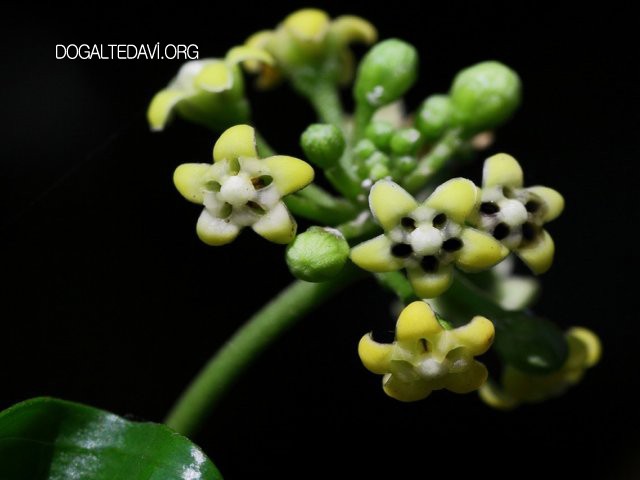
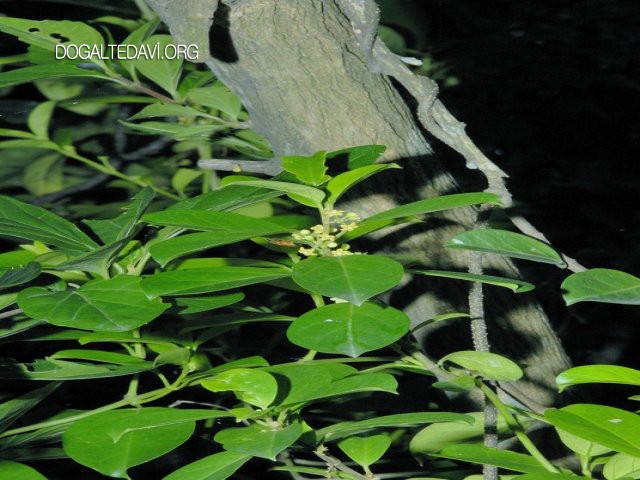
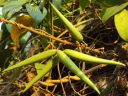
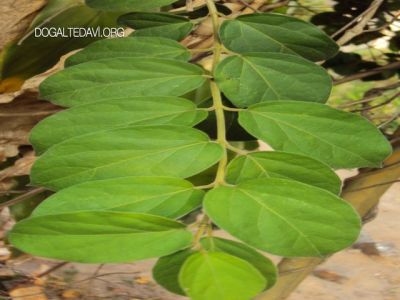
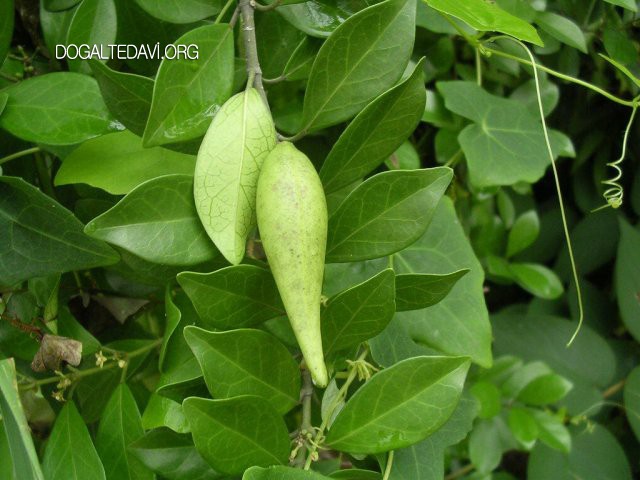
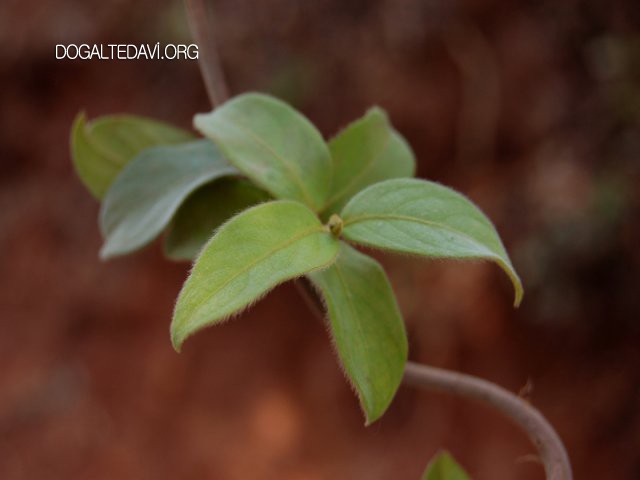
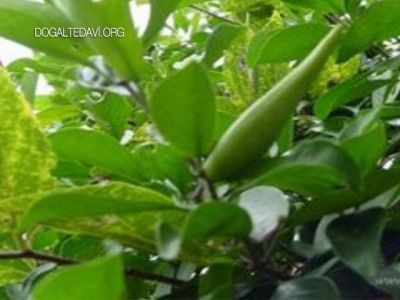
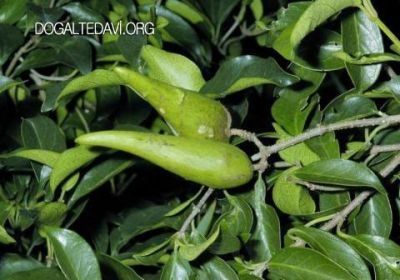
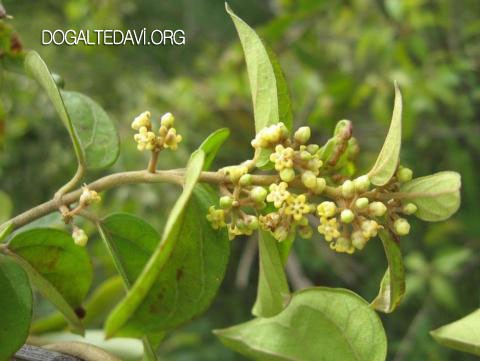
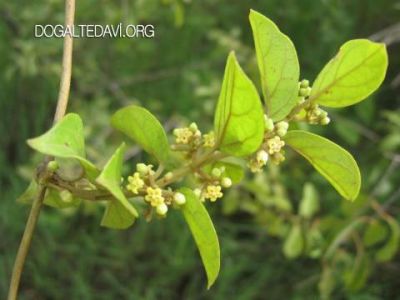
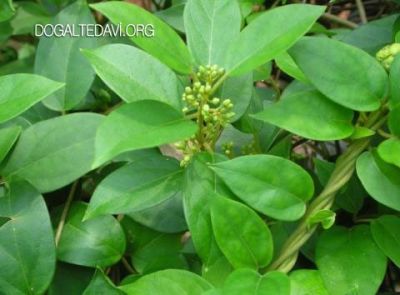
        Extensive, much-branched, twining shrubs. Leaves 3-6 x 2-3 cm, ovate or elliptic-oblong, apiculate, rounded at base, sub-coriaceous. Flowers minute, greenish-yellow, spirally arranged in lateral pedunculate or nearly sessile cymes. Corolla lobes imbricate. Follicles solitary, upto 8 x 0.7 cm, terete, lanceolate, straight or slightly curved, glabrous. Seeds ovate-oblong, glabrous, winged, brown. Flowering: August-March; Fruiting: Winter.
        Habitat:
        Grows wild in forest as a climber also found in the plains from the coast, in scrub jungles and in thickets; wild.
        Distribution in India:
        It is occurring in Bihar, Central India, Western Ghats, and Konkan.
        Distribution in Patalkot:
        Gaildubba, Harra-ka-Char, Kareyam, Raja khoh, Sajkui etc.
        Medicinal Property:
        The plant is stomachic, stimulant, laxative and diuretic. It is good in cough, biliousness and sore eyes. If the leaves of the plant are chewed, the sense of taste for sweet and bitter substances is suppressed (Gent, 1999, Persaud et al., 1999, Intelegen, 2004). The leaves are said to be used as a remedy for diabetes (Prakash et al., 1986; Shanmugasundaram et al., 1990; Grover et al., 2002; Gholap & Kar, 2003}. It has been included among the most important herbs for all doshas (Mhasker & Caius, 1930; Holistic, 2004). It has shown effective activity against Bacillus pumilis, B. subtilis, Pseudomonas aeruginosa and Staphylococcus aureus (Satdive et al., 2003). Tribals in Chhindi rub the leaves on infected body parts to cure infections.
        The leaf powder is tasteless with a faint pleasant aromatic odour. It stimulates the heart and the circulatory system, increases the secretion of urine, and activates the uterus. Tribals of Central India prepare decoctions of Methi/ fenugreek (Trigonella foenum-graecum), Gudmar (Gymnema sylvestre), Arjuna (Terminalia arjuna), Ajwan (Trachyspermum ammi), gokshura (Tribulus terrestris), vayu-vidanga (Embelia ribes), Guduchi (Tinospora cordifolia), Harra (Terminalia chebula), and chitrak (Plumbago zeylanica) to cure diabetes and stress related disorders.
        Traditional healers from various states of India use this plant in various ailments. Leaf is given in gastric troubles in Rajasthan. Traditional healers of Maharastra prescribe it in urinary problems and stomachache whereas in Madhya Pradesh, tribals and local healers apply the leaf extract in cornea opacity and other eye diseases. In Andhra Pradesh it is used in glycosuria.
        Gymnema in Vedas:
        According to Charak Samhita, it removes bad odour from breast milk. It is aperitive. This plant is useful as purgative, in eye troubles. Leaf extract and flower is beneficial for eyes. Bark is given in the diseases caused by vitiated kapha (phlegm). According the Bagbhat, rootbark useful in piles. Ayurveda tells that it is acrid, alexipharmic, anodyne, anthelmintic, antipyretic, astringent, bitter, cardiotonic, digestive, diuretic, emetic,expectorant, laxative, stimulant, stomachic, uterine tonic; useful in amennorrhoea, asthma, bronchitis, cardiopathy, conjunctivitis, constipation, cough, dyspepsia, haemorroids, hepatosplenomegaly, inflammations, intermittant fever, jaundice and leucoderma. Root emetic and removes phlegm; external application is useful in insect bite (ENVISBSI, 2004).
        Chemical Composition:
        The leaves contain hentriacontane, pentatriacontane, a-and �-chlorophylls, phytin, resins, tartaric acid, formic acid, butyric acid, anthraqui-none derivatives, inositol, d -quercitol and "gymnemic acid". The leaves give positive tests for alkaloids. Flavonol glycosides, kaempferol and quercetin have been isolated from the aerial parts of the plant (Liu et al., 2004). Three new oleanane-type triterpene glycosides were isolated from the leaves of the plant. Six oleanane-type saponins (Ye et al., 2000, 2001). Few new tritepenoid saponins, gymnemasins A, B, C and D were also isolated from the leaves of Gymnema sylvestre (Suttisri et al., 1995, Sahu et al., 1996).
        Few important companies in Product Manufacturing:
        Active Ingredients Group., Inc., China
        Amitco International Botanical & Nutritional Division, USA
        Camden-Grey Essential Oils, Miami, USA.
        Christina's Body & Fitness, USA
        Dabur, India
        Himalaya Herbals, India
        Natural Remedies Pvt. Ltd. India
        Philly Pharmacy, USA
        S&D Chemicals (Canada) Ltd. Canada
        (*Names arranged alphabetically)
        Concluding Remarks:
        It is the need of the hour to save this highly important medicinal plant of Patalkot valley. If proper initiatives would not be taken in time, there would not be single Gymnema plant in the valley. It is urged to the scientists, conservationists, researchers, NGO's and other bodies to come forward and take moves to protect this important herb. Local farmers should be encouraged to cultivate this herb. Government and policy makers are having lots of plans/ ideas but they find problems in proper implementations. It is the youth and people from literate world who should come forward to take this task in their hands.
        Acknowledgement:
        Author (DA) is grateful to Dr S A Brown, Principal, Danielson College, Chhinwara for kind counsel time to time. Thanks are due to Dr MK Rai, Head, Department of Biotechnology, Amaravati University, Amaravati for supporting and encouraging me all the way. Thanks are due to all the tribals of Patalkot valley for sharing their indigenous knowledge with us.
        References:
        ENVISBSI, 2004.
        Gent JF, Hettinger TP, Frank ME, Marks LE. 1999. Taste confusions following gymnemic acid rinse. Chem Senses;24:393-403.
        Gholap S, Kar A. Effects of Inula racemosa root and Gymnema sylvestre leaf extracts in the regulation of corticosteroid induced diabetes mellitus: involvement of thyroid hormones. Pharmazie 2003;58:413-5.
        Grover JK, Yadav S, Vats V. 2002. Medicinal plants of India with anti-diabetic potential. J Ethnopharmacol. 81(1):81-100.
        Persaud SJ, Al-Majed H, Raman A, Jones PM. 1999. Gymnema sylvestre stimulates insulin release in vitro by increased membrane permeability. 1999. J Endocrinol. 163(2):207-212.
        Shanmugasundaram ER, Rajeswari G, Baskaran K, Rajesh Kumar BR, Radha Shanmugasundaram K, Kizar Ahmath B. 1990. Use of Gymnema sylvestre leaf extract in the control of blood glucose in insulin-dependent diabetes mellitus. J Ethnopharmacol. 30(3): 281-94.
        Holistic, 2004. holisticonline.com/Remedies/Diabetes/diabetes_ayurveda.htm (viewed on 28/10/04)
        Intelegen, 2004. intelegen.com/nutrients/gymnema_sylvestre_for_diabetes.htm (viewed on 28/10/04)
        Satdive RK, Abhilash P, Fulzele DP. 2003. Antimicrobial activity of Gymnema sylvestre leaf extract. Fitoterapia. 74(7-8): 699-701.
        Liu X, Ye W, Yu B, Zhao S, Wu H, Che C. 2004. Two new flavonol glycosides from Gymnema sylvestre and Euphorbia ebracteolata. Carbohydr Res. 339 (4):891-895.
        Mhasker KS, Caius JF. 1930. A study of Indian medicinal plants. II. Gymnema sylvestre R.Br. Indian J Med Res Memoirs. 16:2-75.
        Prakash AO, Mather S, Mather R. 1986. Effect of feeding Gymnema sylvestre leaves on blood glucose in beryllium nitrate treated rats. J Ethnopharmacol 18:143-144.
        Ye W, Liu X, Zhang Q, Che CT, Zhao S. 2001. Antisweet saponins from Gymnema sylvestre. J Nat Prod. 64(2): 232-235.
        Ye WC, Zhang QW, Liu X, Che CT, Zhao SX. 2000. Oleanane saponins from Gymnema sylvestre. Phytochemistry. 53(8):893-899.
        Sahu NP, Mahato SB, Sarkar SK, Poddar G. 1996. Triterpenoid saponins from Gymnema sylvestre. Phytochemistry. 41(4):1181-1185.
        Suttisri R, Lee IS, Kinghorn AD. 1995. Plant-derived triterpenoid sweetness inhibitors. J Ethnopharmacol. 47(1):9-26.
        About the Authors:
        Dr Deepak Acharya: He is the Director of a herbal formulation company in Ahmedabad, India. He has been documenting ethnobotanical knowledge of tribals of Central and Western India. He has written 30 research papers in National and International journals of repute. He writes popular articles for web and magazines. Meet him on his homepage dracharya.tripod.com or contact via email on deep_acharya@rediffmail.com
        Ms Garima Sancheti: She is a research scholar, working in the field of Radiation and Cancer Biology from Department of Zoology (University of Rajasthan, India). She has to her credit various research papers in scientific journals as well as articles on web. Contact her on garimasancheti@rediffmail.com
        Dr Anshu Shrivastava: He is a Botanist and PhD from BSI- Jodhpur, currently working as Research Associate in SRISTI- Ahmedabad. He can be contacted on ansh24@gmail.com
        Dr Sanjay Pawar: He is a botanist in Chhindwara, Madhya Pradesh. Contact him on drpawar@rediffmail.com

        "Gymnema Sylvestre - Rare Herb of Ptalkot: India"


        Disabled World - Disability News for all the Family

        Yorum yap


        • #5
          Bitkisel Tedavi - İbrahim Gökçek Ürünleri Resmi Satış Sitesidir.

          Yorum yap


          • #6
            Bitkisel Tedavi - İbrahim Gökçek Ürünleri Resmi Satış Sitesidir.

            Yorum yap


            • #7
              Bitkisel Tedavi - İbrahim Gökçek Ürünleri Resmi Satış Sitesidir.

              Yorum yap


              • #8
                Bitkisel Tedavi - İbrahim Gökçek Ürünleri Resmi Satış Sitesidir.

                Yorum yap


                • #9
                  Bitkisel Tedavi - İbrahim Gökçek Ürünleri Resmi Satış Sitesidir.

                  Yorum yap


                  • #10
                    Bitkisel Tedavi - İbrahim Gökçek Ürünleri Resmi Satış Sitesidir.

                    Yorum yap


                    • #11
                      Bitkisel Tedavi - İbrahim Gökçek Ürünleri Resmi Satış Sitesidir.

                      Yorum yap


                      • #12
                        Bitkisel Tedavi - İbrahim Gökçek Ürünleri Resmi Satış Sitesidir.

                        Yorum yap


                        • #13
                          Bitkisel Tedavi - İbrahim Gökçek Ürünleri Resmi Satış Sitesidir.

                          Yorum yap


                          • #14
                            Bitkisel Tedavi - İbrahim Gökçek Ürünleri Resmi Satış Sitesidir.

                            Yorum yap


                            • #15
                              Bitkisel Tedavi - İbrahim Gökçek Ürünleri Resmi Satış Sitesidir.

                              Yorum yap

                              Hazırlanıyor...
                              X